

Back to Blog
Winter Electrical Safety Checklist for Northeast Florida Homes
Winter in Northeast Florida may be milder than in many parts of the country, but cooler temperatures still change how homeowners use electricity. Space heaters, holiday lighting, additional indoor activity, and occasional cold snaps all increase electrical demand. These seasonal shifts can expose hidden electrical issues and raise safety risks if systems are outdated or overloaded.
A winter electrical safety checklist helps homeowners identify potential hazards before they turn into outages, damaged equipment, or fire risks. This blog covers the most important electrical safety checks for Northeast Florida homes, helping you protect your family, appliances, and property throughout the winter months.
Why Winter Poses Electrical Risks in Northeast Florida
Even though winters in Northeast Florida are relatively mild, seasonal changes still create electrical safety concerns. Homes often experience higher electrical demand during cooler months due to heating devices, holiday décor, and increased indoor living. These factors can strain electrical systems that may not be prepared for added load.
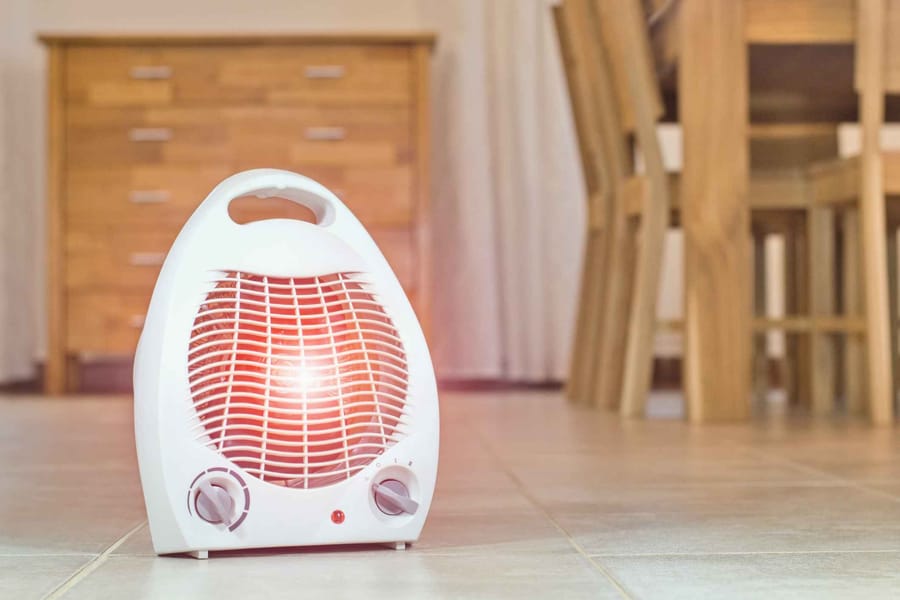
Space Heaters and Temporary Heating Devices
When temperatures dip, many homeowners rely on portable heating sources. These devices can quickly create hazards if not used correctly. Common risks include:
-
Plugging space heaters into overloaded outlets
-
Using extension cords not rated for high heat draw
-
Running heaters for long periods without supervision
-
Placing heaters too close to furniture or curtains
Because space heaters draw a significant amount of power, they can reveal wiring issues or weak circuits during winter.
Holiday Lighting and Seasonal Decorations
Seasonal décor adds charm but also increases electrical use. Potential issues include:
-
Overloading circuits with multiple light strands
-
Using damaged or outdated extension cords
-
Plugging outdoor lighting into non weather protected outlets
-
Leaving decorative lighting on for extended periods
Taking extra care with seasonal lighting helps prevent tripped breakers, electrical damage, and fire hazards.
Inspecting Your Electrical Panel Before Winter
Your electrical panel controls how power is distributed throughout your home. During winter, increased electrical demand can expose problems that may have gone unnoticed during warmer months. A proactive panel inspection helps prevent outages, overheating, and safety hazards.
Signs of Overloaded or Outdated Panels
Older or undersized panels may struggle to handle modern electrical needs. Warning signs include:
-
Breakers that trip frequently
-
Flickering or dimming lights
-
Warm or hot panel surfaces
-
Burning or metallic odors near the panel
-
Limited space for additional breakers
These issues indicate your panel may need professional evaluation or upgrading.
Tripped Breakers and Warning Indicators
Circuit breakers are designed to trip when a problem occurs. If this happens often during winter, it may signal:
-
Increased load from heaters or appliances
-
Faulty breakers that no longer protect properly
-
Wiring issues behind walls
-
Imbalanced circuits distributing power unevenly
Addressing breaker problems early helps prevent electrical damage and fire risks.
Space Heater and Portable Heating Safety
Space heaters are commonly used in Northeast Florida during colder days and nights. While they provide quick warmth, they also pose serious electrical and fire risks if not used correctly. Following basic safety practices helps protect your home and reduces the chance of winter electrical accidents.
Proper Placement and Clearance
Safe placement is essential when using space heaters. Follow these guidelines:
-
Keep heaters at least three feet away from furniture, curtains, and bedding
-
Place heaters on a flat, stable surface
-
Never use heaters in bathrooms unless designed for wet locations
-
Keep heaters out of high traffic areas to prevent tipping
Proper clearance helps reduce fire risks and accidental contact.
Electrical Ratings and Extension Cord Safety
Space heaters draw a large amount of power and must be connected properly. Important safety tips include:
-
Plug heaters directly into a wall outlet
-
Avoid using extension cords or power strips
-
Use heaters with automatic shutoff features
-
Ensure the heater is rated for indoor residential use
Improper connections can overheat wiring and cause breaker trips or electrical fires.
Outlet, GFCI, and AFCI Safety Checks
Outlets and circuit protection devices play a critical role in preventing electrical shocks and fires. During winter, increased appliance use and temporary electrical loads can expose weaknesses in outlet protection. Regular checks help ensure your home’s electrical system responds properly when issues arise.
Testing GFCI Outlets
Ground fault circuit interrupter outlets are designed to shut off power when moisture or electrical imbalance is detected. In Northeast Florida homes, GFCIs are especially important in areas such as:
-
Kitchens
-
Bathrooms
-
Garages
-
Outdoor outlets
-
Laundry rooms
Homeowners should test GFCI outlets monthly using the test and reset buttons. If an outlet fails to trip or reset, it should be inspected by a licensed electrician.
Ensuring AFCI Protection in Living Spaces
Arc fault circuit interrupters protect against electrical fires caused by damaged wiring or loose connections. AFCI protection is commonly required in:
-
Bedrooms
-
Living rooms
-
Hallways
-
Home offices
During winter, added electrical usage can increase the risk of arcing faults. If breakers trip frequently or outlets feel warm, an electrical evaluation may be needed to ensure proper AFCI protection is in place.
Outdoor Electrical and Lighting Safety
Even in Northeast Florida’s mild winters, outdoor electrical components face increased exposure to moisture, cooler temperatures, and seasonal use. Inspecting exterior wiring and lighting helps prevent shocks, outages, and damage during winter months.
Weather Exposed Outlets and Extension Cords
Outdoor outlets and cords are especially vulnerable in winter due to moisture and wear. Homeowners should check for:
-
Cracked or broken outlet covers
-
Loose or exposed wiring
-
Extension cords not rated for outdoor use
-
Plugs that feel warm or show discoloration
All outdoor outlets should be protected with weather resistant covers and GFCI protection to reduce shock risk.
Landscape and Security Lighting Inspections
Outdoor lighting often runs longer during winter due to shorter daylight hours. Safety checks should include:
-
Inspecting fixtures for corrosion or water intrusion
-
Ensuring wiring is buried properly and protected
-
Replacing burned out or flickering bulbs
-
Confirming motion sensors and timers work correctly
Well maintained outdoor lighting improves safety, visibility, and security while reducing electrical hazards.
Schedule Your Winter Electrical Safety Inspection With Lickety-Split
Winter may be mild in Northeast Florida, but seasonal electrical risks are still very real. From increased heater use to holiday lighting and outdoor moisture exposure, your electrical system works harder during cooler months. A professional safety inspection helps identify hidden hazards, reduce fire risks, and ensure your home is prepared for winter demands.
Lickety-Split provides thorough electrical safety inspections for Northeast Florida homeowners. Our licensed electricians check panels, outlets, wiring, and outdoor electrical components to keep your home safe and reliable all season long.
Contact Lickety-Split today to schedule your winter electrical safety inspection and gain peace of mind.
Recent News
Best AC Systems for High Humidity in St. Augustine
Why is My Water Heater Leaking from the Bottom in Jacksonville?
Lighting the Night Safely: Outdoor & Holiday Lighting Tips for Florida Winters
Florida Fall HVAC Tune-Up Guide: Get Your System Ready for Cool Nights & Humid Days
Why Emergency Plumbing Is So Expensive and 4 Ways to Avoid Needing It
How to Know if You Actually Need a Panel Upgrade
Understanding the Importance of Regular Drain Cleaning

Home Services You Can Trust
When solving problems in your home, you want the people you trust most to be on the job.