

Back to Blog
Why is My Water Heater Leaking from the Bottom in Jacksonville?
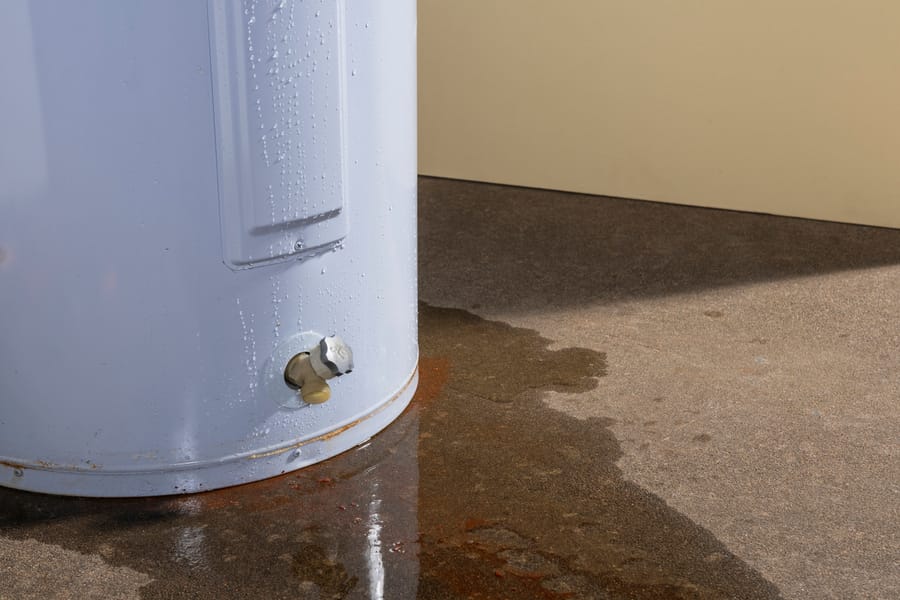
Discovering a pool of water at the base of your water heater is a stressful experience for any Jacksonville homeowner. In our coastal environment, water heaters face a unique set of challenges including high humidity and local water mineral content. When you see water leaking from the bottom of the unit, your first instinct might be to panic and assume a total replacement is necessary. However, while some leaks signify the end of the tank’s life, others are actually minor issues that can be resolved with a quick professional repair.
At Lickety-Split, we understand that a leaking water heater is an urgent matter that can lead to significant floor damage and mold growth if ignored. We have helped thousands of residents in Duval and St. Johns Counties navigate these plumbing emergencies with speed and transparency. This guide will walk you through the most common reasons why your water heater is leaking from the bottom and how to determine if your Jacksonville home needs a simple fix or a brand new system.
Immediate Steps to Take When You Spot a Leak
Before you begin diagnosing the source of the water, you must take two critical safety steps to protect your home and your family. A leaking water heater can be dangerous due to the risk of electrical shock or scalding water.
Turn Off the Power Supply
If you have an electric water heater, locate your home’s circuit breaker panel and switch off the breaker dedicated to the water heater. If you have a gas unit, turn the small dial on the thermostat to the “Off” or “Pilot” position. This prevents the heating elements from firing while the tank is potentially losing water, which could lead to a fire or a burned out motor.
Shut Off the Water
Locate the cold water inlet pipe at the top of the water heater. There should be a valve (either a lever or a circular handle) that you can turn clockwise to stop the flow of water into the tank. This will stop the leak from getting worse and prevent further flooding of your utility closet or garage.
Is It a True Leak or Just Condensation?
In Jacksonville, our high humidity levels can sometimes play tricks on homeowners. Before you assume there is a hole in your tank, you should check for condensation.
The Humidity Factor
During the summer months in North Florida, the cold water entering your tank is significantly cooler than the humid air in your garage or attic. This temperature difference can cause moisture to form on the outside of the tank and drip down to the floor, mimicking a leak from the bottom.
-
How to Check: Wipe the water up completely with a towel and place a few sheets of paper towel around the base. If the water returns slowly and appears as small droplets on the outside of the jacket, it is likely just condensation.
-
The Solution: Improving the ventilation in the area where your water heater is located can often solve this problem without any plumbing repairs.
Common Sources of Leaks from the Bottom
If the water is definitely coming from the unit itself, there are three primary components that usually cause water to pool at the base. Some of these are located near the bottom, while others leak from the top and the water simply runs down the sides.
A Faulty Drain Valve
The drain valve is the plastic or brass spigot located near the bottom of the tank. It is used to flush sediment out of the heater during annual maintenance.
-
Internal Seal Failure: Over time, the internal gasket in this valve can become brittle or get stuck open by a piece of mineral scale.
-
The “Slow Drip”: If the valve is not closed completely or if the seal has failed, water will drip steadily from the nozzle and pool on the floor. In many cases, we can simply replace the valve with a high quality brass version to stop the leak.
The Temperature and Pressure (T&P) Relief Valve
This is a critical safety device located either on the top or the side of the tank. It features a long copper or plastic pipe that leads down toward the floor.
-
Over-Pressurization: If the water inside the tank gets too hot or if the pressure gets too high, this valve opens to release water and prevent the tank from exploding.
-
The “Drain Pipe” Leak: If you see water coming out of the discharge pipe attached to this valve, it means the valve is doing its job. However, if it is leaking constantly, the valve itself may be faulty or your home’s water pressure may be too high for the tank to handle.
Internal Tank Corrosion
This is the most serious cause of a leak from the bottom. Every water heater has an inner steel tank that holds the water. In Jacksonville, the minerals in our water can slowly eat away at this steel.
-
Anode Rod Failure: Your tank has a “sacrificial” anode rod that is supposed to rust so the tank doesn’t have to. Once this rod is completely dissolved, the minerals start attacking the tank walls.
-
The “Pinhole” Leak: Once a crack forms in the inner tank, the water leaks into the insulation and eventually seeps out from the bottom of the outer jacket. Unfortunately, an internal tank leak cannot be repaired. If the tank itself is leaking, the only solution is a full replacement.
Why Jacksonville Water is Tough on Heaters
North Florida is known for having “hard” water, which is rich in calcium and magnesium. While these minerals are safe to drink, they are the primary enemies of your water heater’s longevity.
Sediment Buildup
As the water is heated, these minerals solidify and settle at the bottom of the tank. This creates a thick layer of “rock” that can interfere with the drain valve and cause the bottom of the tank to overheat and crack.
Saltwater Proximity
For homes near the coast or the St. Johns River, the salt air can accelerate the corrosion of the external components of the water heater. We often see T&P valves and inlet connections in Jacksonville that have rusted prematurely due to the salty, humid environment.
Getting Back to Hot Water Fast
A leaking water heater is a disruption you don’t need, but it doesn’t have to be a disaster. By identifying whether the leak is a simple valve issue or a structural tank failure, you can make an informed decision for your Jacksonville home. Remember that water heaters generally have a lifespan of 8 to 12 years. If your unit is in that age range and has started leaking from the bottom, an upgrade to a more efficient model is often the most cost effective long term choice.
Is your water heater making a mess of your garage or utility room? Do not wait for a small drip to turn into a major flood. The expert plumbers at Lickety-Split are ready to help you with a fast, professional diagnostic. Whether you need a simple valve replacement or a high efficiency tank upgrade, we have the tools and the local experience to get the job done right the first time.
Contact us today to schedule your emergency water heater service and get your home back to normal in a flash.
Recent News
Best AC Systems for High Humidity in St. Augustine
Winter Electrical Safety Checklist for Northeast Florida Homes

Lighting the Night Safely: Outdoor & Holiday Lighting Tips for Florida Winters
Florida Fall HVAC Tune-Up Guide: Get Your System Ready for Cool Nights & Humid Days
Why Emergency Plumbing Is So Expensive and 4 Ways to Avoid Needing It
How to Know if You Actually Need a Panel Upgrade
Understanding the Importance of Regular Drain Cleaning

Home Services You Can Trust
When solving problems in your home, you want the people you trust most to be on the job.