
Back to Blog
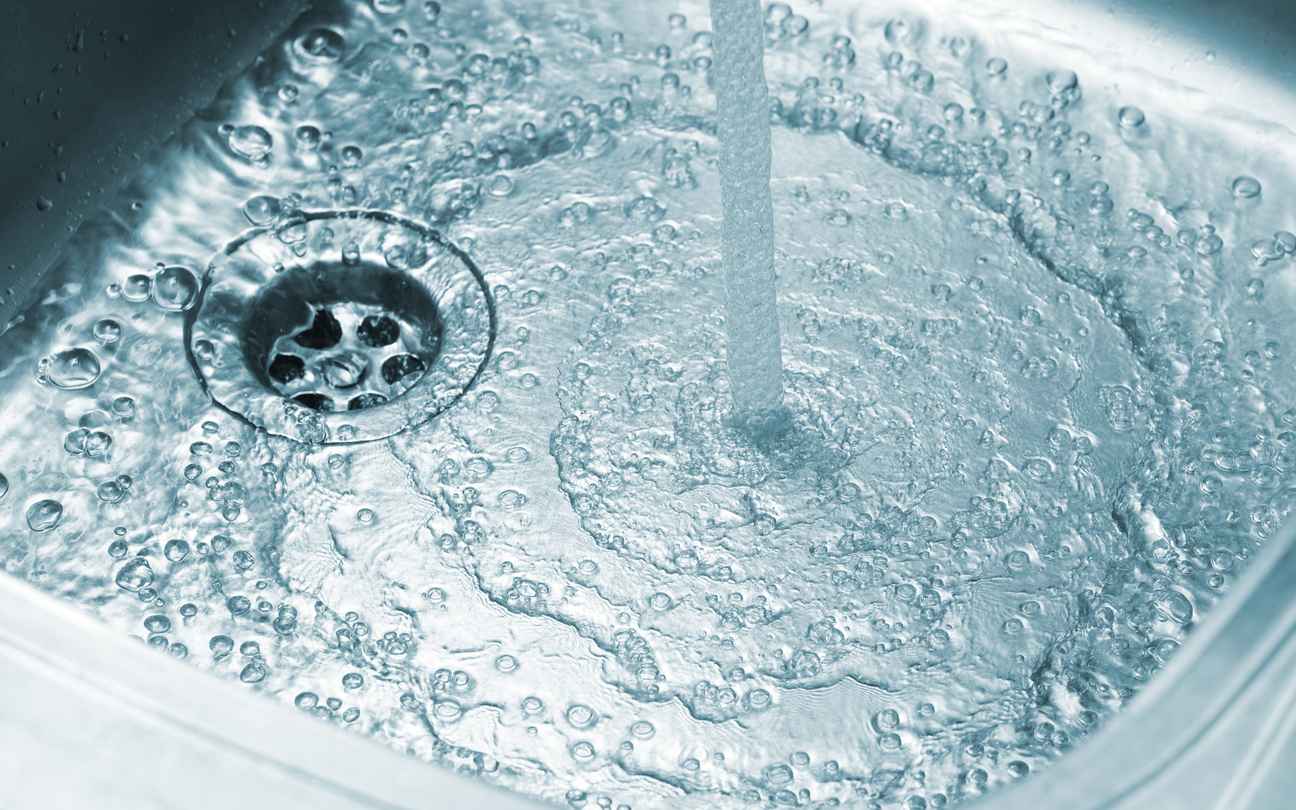
Understanding the Importance of Regular Drain Cleaning
Clogged drains aren’t just annoying—they can throw your entire day off track. Whether it’s a slow-draining sink or a mysterious odor coming from the shower, drain issues are some of the most common and frustrating problems homeowners face. Unfortunately, many people only act when a serious clog shuts everything down. That reactive approach can lead to bigger plumbing repairs, water damage, and unexpected expenses.
The good news? Regular drain cleaning is a simple way to avoid all that. In this blog, we’ll break down why proactive maintenance matters, the warning signs to look for, and how Lickety-Split can help keep your home flowing freely.
Why Drain Cleaning Matters
Regular drain cleaning plays a vital role in maintaining the overall health of your plumbing system. While it may seem like a small task, it’s one of the most effective ways to prevent major plumbing problems from developing. Clean drains allow water to move quickly and efficiently through your pipes, reducing the chance of backups, overflow, or even pipe bursts caused by pressure buildup.
Neglected drains tend to accumulate debris like hair, grease, soap scum, and food particles. Over time, these materials form clogs that don’t just slow things down—they can completely block water flow. That’s when the real problems begin: slow drainage, foul odors, water damage, and costly emergency calls. Even worse, stubborn clogs may signal deeper issues within your plumbing system, such as tree root invasion or corrosion.
Consistent maintenance not only protects your home’s plumbing infrastructure but also extends its lifespan. It saves you money by preventing emergency repairs and ensures that your daily routines—from showers to dishwashing—run without interruption. When done right, drain cleaning is an investment in your home’s comfort and efficiency.
Key Signs You Need Drain Cleaning
Sometimes, drain issues are obvious—like a sink that won’t empty. But other times, the signs are subtle and easy to overlook until they turn into big problems. Being able to recognize early warning signals is key to preventing serious plumbing headaches down the road.
Common Warning Signs
If you notice any of the following, it’s time to take a closer look at your drains:
- Slow Drainage: Water pooling around your feet in the shower or taking forever to drain from your kitchen sink is a telltale sign of buildup.
- Foul Odors: Bad smells coming from the drain often mean food particles, grease, or other debris are rotting inside your pipes.
- Gurgling Sounds: Bubbling or gurgling noises usually point to air trapped in the pipes due to a clog.
- Frequent Clogs: If you’re constantly reaching for the plunger, your drains likely need more than a quick fix.
- Water Backups: Water coming back up into tubs or sinks is a red flag for a blockage in your main drain line.
What Causes Buildup
Drains handle more than just water. Everyday use causes layers of grime to form inside your pipes—and if not cleaned regularly, this buildup can harden and restrict flow.
- Hair and Soap Scum: Especially in bathroom drains, these combine to create dense, sticky blockages.
- Grease and Food Waste: Kitchen sinks are notorious for clogs caused by poured grease, oil, and leftover food scraps.
- Mineral Deposits: Hard water leaves behind mineral buildup, which narrows your pipes over time.
- Foreign Objects: Wipes, dental floss, and hygiene products should never go down the drain, but often do.
- Tree Roots: Outdoor pipes can get invaded by roots seeking moisture, leading to serious drainage issues.
Recognizing these causes early can help you stay ahead of bigger problems. Regular maintenance clears out these materials before they have the chance to do damage.
How to Clean Your Drains Effectively
Maintaining clear and efficient drains doesn’t always require professional intervention—at least not right away. Some clogs and buildup can be managed with DIY solutions, but knowing when to call in expert help can save you from worsening the problem. Let’s explore both.
DIY Drain Cleaning Tips
There are a few simple, safe ways you can keep your drains clear between professional cleanings:
- Hot Water Flushes: Running hot (not boiling) water down the drain weekly can help melt grease and dislodge minor debris.
- Baking Soda & Vinegar: Pouring ½ cup of baking soda followed by ½ cup of vinegar into your drain creates a fizzing reaction that helps break down grime. Rinse with hot water after 10–15 minutes.
- Manual Tools: A sink plunger or drain snake (also known as a hand auger) can help remove surface-level clogs in tubs, sinks, and showers.
- Drain Screens or Catchers: These inexpensive devices fit over your drains to catch hair, food, and other debris before they go down your pipes.
While these methods work well for prevention and minor clogs, they’re not a fix-all—especially when clogs keep coming back.
When to Call Lickety-Split
Sometimes, drain problems run deeper than what you can reach on your own. That’s where professional help from Lickety-Split makes all the difference.
- Recurring or Worsening Clogs: If you keep clearing the same clog, there may be a bigger issue deeper in your plumbing system.
- Multiple Affected Drains: When more than one drain is slow or clogged, it could signal a blockage in the main sewer line.
- Sewage Odors: Foul smells coming from drains, especially in multiple areas, are a major red flag for serious buildup or sewer gas leaks.
- Standing Water or Flooding: If water is backing up into sinks, tubs, or floors, a quick response from professionals is critical.
- You Want Preventative Maintenance: Even if nothing’s obviously wrong, a professional drain cleaning can keep your plumbing system working at peak performance—and give you peace of mind.
Professional-grade equipment, like camera inspections and hydro jetting, allows the Lickety-Split team to pinpoint issues accurately and clear even the most stubborn blockages without damaging your pipes.
Preventative Drain Maintenance Tips
Taking a proactive approach to your plumbing doesn’t just help you avoid messy backups—it also extends the life of your pipes and reduces the risk of emergency repairs. With a few regular habits and simple upgrades, you can keep your drains running smoothly all year long.
- Be Mindful of What Goes Down the Drain: Avoid pouring grease, oil, or food scraps down kitchen sinks. In bathrooms, keep hair and hygiene products out of drains whenever possible.
- Install Drain Screens: These simple tools trap debris before it enters your pipes, and they’re easy to clean and reuse.
- Flush Drains Weekly: A weekly hot water flush or baking soda and vinegar routine helps keep buildup from hardening inside the pipes.
- Don’t Rely on Chemical Drain Cleaners: These products can corrode your plumbing over time and often only offer a temporary fix.
- Schedule Annual Professional Cleanings: An annual inspection and cleaning by the Lickety-Split team can identify potential trouble spots before they cause major issues.
- Know the Signs of Trouble: Stay alert to slow drains, bad smells, and recurring clogs so you can act quickly before the problem worsens.
By sticking to these habits, you’ll spend less time dealing with emergency clogs and more time enjoying peace of mind in a well-functioning home.
Keep Your Plumbing Flowing With Regular Drain Cleaning
Ignoring your drains might not seem like a big deal—until it is. Slow drainage, foul odors, and recurring clogs are more than just annoying—they’re signs that your plumbing system needs attention. Regular drain cleaning helps prevent expensive repairs, safeguards your home from water damage, and ensures your daily routines run smoothly.
Contact Lickety-Split today to schedule your professional drain cleaning and protect your home from unexpected plumbing problems—before they start.
Recent News
Best AC Systems for High Humidity in St. Augustine
Why is My Water Heater Leaking from the Bottom in Jacksonville?
Winter Electrical Safety Checklist for Northeast Florida Homes

Lighting the Night Safely: Outdoor & Holiday Lighting Tips for Florida Winters
Florida Fall HVAC Tune-Up Guide: Get Your System Ready for Cool Nights & Humid Days
Why Emergency Plumbing Is So Expensive and 4 Ways to Avoid Needing It
How to Know if You Actually Need a Panel Upgrade

Home Services You Can Trust
When solving problems in your home, you want the people you trust most to be on the job.