

Back to Blog
Your Toilet May Not Be the Problem: What a Sewer Camera Could Find Under Your St. Augustine Home
A toilet that keeps clogging, flushing slowly, or backing up can seem like a fixture problem. Sometimes it is. A blockage may be caught in the toilet trap, the internal components may be worn, or the toilet may simply need repair.
But when the same problem returns after plunging or snaking, the toilet may not be the real source. A clog or damaged pipe farther down the drain system can interfere with wastewater flow and create symptoms at the toilet.
In this guide, we will explain how a sewer camera inspection can uncover hidden problems beneath your St. Augustine home and help determine whether you need drain cleaning, pipe repair, or another plumbing solution.
Why a Toilet Problem May Actually Be a Sewer Problem
Every toilet connects to a branch drain that eventually joins the home’s main drain or sewer line. Wastewater must travel through that entire route before reaching the municipal sewer or septic system.
If the toilet itself is clear but the pipe downstream is restricted, flushing can become slow or unreliable. Waste may move through the toilet bowl but encounter resistance farther along the line.
A local toilet clog usually affects one fixture. A sewer problem is more likely when:
-
The toilet clogs repeatedly
-
Plunging provides only temporary relief
-
Several drains are slow
-
Other fixtures react when the toilet flushes
-
Backups occur in tubs or floor drains
The pattern of symptoms often provides the first clue that the issue is deeper than the toilet.
Signs the Problem Is Beyond the Toilet
Watch for warning signs throughout the home, not just in the bathroom.
A larger drain or sewer problem may cause:
-
Toilets that gurgle or bubble
-
Water rising in a tub after flushing
-
Several slow sinks or showers
-
Sewage odors near drains
-
Backups in lower-level fixtures
-
Repeated clogs after professional cleaning
-
Plumbing problems during heavy water use
-
Water appearing around floor drains
One slow sink may have a local blockage. A toilet, tub, and sink acting up together usually suggest a shared line problem.
Avoid repeatedly flushing a toilet that is already draining poorly. Additional water can push wastewater into another fixture or cause an indoor sewage backup.
What Is a Sewer Camera Inspection?
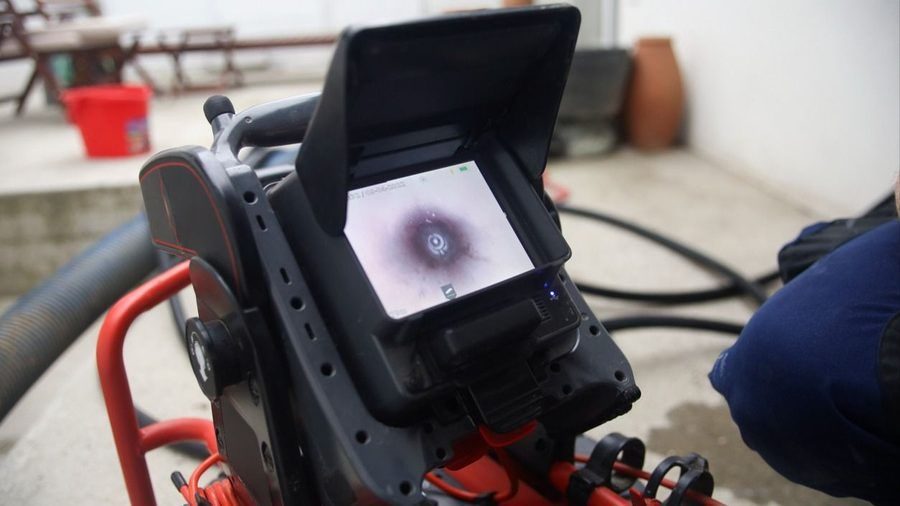
A sewer camera inspection uses a small waterproof camera attached to a flexible cable. A plumber guides it through a cleanout, drain line, or other access point to view the inside of the pipe.
The camera sends live video to a monitor, allowing the plumber to inspect areas that cannot be seen from the toilet or drain opening.
A sewer camera may help identify:
-
The location of a blockage
-
Tree root intrusion
-
Cracks or corrosion
-
Separated joints
-
Standing water
-
Bellied pipe sections
-
Foreign objects
-
Partial or complete collapse
-
Previous repairs
-
The sewer pipe material
The inspection does not fix the problem by itself. It provides information needed to choose the correct cleaning or repair method.
A Blockage Farther Down the Line
Your toilet may be completely clear while a blockage remains in the main drain.
Common clog materials include:
-
Wipes
-
Excess toilet paper
-
Hygiene products
-
Grease
-
Food waste
-
Hair and soap residue
-
Paper towels
-
Foreign objects
-
Heavy sludge
Products marketed as flushable can still contribute to sewer clogs because they may not break apart quickly enough inside the plumbing system.
A blockage farther down the line can restrict several fixtures at once. A camera inspection may reveal whether the problem is one compact obstruction or buildup coating a longer section of pipe.
If the sewer line is structurally sound, professional drain cleaning may restore normal flow.
Tree Root Intrusion
Mature trees can add character and shade to St. Augustine properties, but their roots may enter a damaged sewer line.
Roots are attracted to moisture. They typically enter through an existing weakness, such as:
-
A crack
-
A loose joint
-
A corroded section
-
A damaged seal
-
A previous repair area
Once inside, thin roots can grow into a dense mass. Toilet paper and other waste catch on the roots, gradually creating a blockage.
Mechanical root cutting may reopen the line, but it does not seal the opening. Roots can return if the damaged pipe remains untreated.
A sewer camera can show where roots entered and whether the surrounding pipe is suitable for repair.
Cracked, Corroded, or Deteriorated Pipe
Sewer pipes can deteriorate because of age, corrosion, soil movement, installation issues, or repeated stress.
A damaged interior may become rough and catch waste. Cracks can also allow water to escape into the surrounding soil or provide entry points for roots.
Camera findings may include:
-
Rust and corrosion
-
Small cracks
-
Missing pipe material
-
Rough interior surfaces
-
Leaking joints
-
Deteriorated walls
Not every older St. Augustine home has a failing sewer line. Pipe condition depends on the material, installation, repairs, and property conditions.
If deterioration is widespread, repeated cleaning may not provide lasting results.
Separated or Offset Pipe Joints
A sewer line is often built from multiple connected pipe sections. Those connections can shift over time.
Possible causes include:
-
Soil settlement
-
Ground movement
-
Poor installation
-
Root pressure
-
Previous excavation
-
Aging seals or joints
When one section moves out of alignment, it creates an offset. Waste and paper may catch on the uneven connection, causing recurring blockages.
A separated joint may also allow roots, soil, or groundwater into the pipe.
Minor offsets may be monitored or repaired with certain trenchless methods. Severe displacement may require excavation to realign or replace the affected section.
A Bellied Sewer Line
A sewer line belly is a low section where water and waste collect.
Sewer pipes need a consistent downward slope. If part of the line settles, wastewater may pool instead of flowing away from the home.
A belly may result from:
-
Soil settlement
-
Poor pipe support
-
Improper installation
-
Ground movement
-
Erosion
-
Heavy pressure above the line
Standing water allows paper, grease, and waste to accumulate. Drain cleaning may remove the immediate blockage, but it cannot lift the pipe or restore the proper slope.
A severe belly usually requires physical repair or replacement.
A Partial or Complete Pipe Collapse
A severely weakened pipe may lose its shape or collapse.
A partial collapse restricts the opening and catches waste. A complete collapse can stop wastewater flow entirely.
Possible causes include:
-
Advanced corrosion
-
Soil pressure
-
Root damage
-
Ground movement
-
Poor installation
-
Heavy loads above the pipe
-
Long-term deterioration
Cleaning cannot restore a collapsed sewer line. The damaged section must be repaired or replaced.
A camera may not be able to pass through a complete collapse, but it can often show the location where the line becomes inaccessible.
Evidence of a Previous Sewer Repair
A camera inspection may also reveal work completed by a previous owner or contractor.
Possible findings include:
-
Patches
-
Mismatched pipe materials
-
Improper fittings
-
Offset repair connections
-
Short replacement sections
-
Deteriorated liners
-
Abandoned debris
A previous repair is not automatically a problem. Many sewer repairs remain reliable for years.
However, poorly aligned connections or transitions between materials can become collection points for waste. They may also shift as the surrounding soil moves.
Knowing where earlier work was completed can help the plumber determine whether the current issue is new or related to an older repair.
Why St. Augustine Property Conditions Matter
Buried sewer lines can be affected by the surrounding property.
Factors may include:
-
Mature landscaping
-
Tree root growth
-
Soil movement
-
Heavy rainfall
-
Drainage patterns
-
Previous renovations
-
Driveways or patios above the pipe
-
Older underground materials
Moisture and shifting soil do not automatically damage a sewer line. They may contribute to problems when the pipe is already weak, poorly supported, or deteriorated.
This is why sewer recommendations should be based on the actual camera findings rather than assumptions about the home’s age or neighborhood.
Why Plunging or Snaking May Only Help Temporarily
A plunger can clear a minor toilet clog. A drain snake can break through a blockage and reopen part of the line.
These methods may restore flow without correcting:
-
Root intrusion
-
Pipe cracks
-
A severe belly
-
Joint separation
-
Corrosion
-
Collapse
-
Heavy pipe-wall buildup
For example, a snake may cut a small opening through roots. Waste begins flowing again, but the remaining root mass quickly catches new debris.
When the same toilet problem returns, another basic clearing may not be the best next step. A camera inspection can reveal why the blockage keeps forming.
When Drain Cleaning May Be Enough
Professional drain cleaning may solve the problem when the sewer camera confirms that the pipe remains structurally sound.
Cleaning may be appropriate for:
-
Paper buildup
-
Wipes
-
Grease
-
Sludge
-
Food waste
-
Minor root growth
-
Other removable debris
Depending on the blockage and pipe condition, a plumber may use mechanical snaking, root-cutting equipment, or hydro jetting.
Hydro jetting uses high-pressure water to clean buildup from the pipe walls. It should only be used after considering the pipe’s material and condition.
After cleaning, a follow-up camera inspection may confirm that the line is clear.
When Sewer Repair May Be Needed
Repair becomes more likely when the camera reveals a structural problem.
Possible solutions include:
-
Spot repair for isolated damage
-
Pipe lining for certain cracks or deteriorated interiors
-
Pipe bursting for longer damaged sections
-
Traditional excavation
-
Full sewer line replacement
Trenchless repair can reduce digging in some situations, but it is not suitable for every line. A liner cannot correct a severe belly, and a collapsed or badly misaligned pipe may require excavation.
The recommendation should be based on pipe condition, slope, depth, access, and the extent of the damage.
What to Do When the Toilet Keeps Backing Up
Until the cause is identified:
-
Stop repeatedly flushing
-
Reduce household water use
-
Pause laundry and dishwasher cycles
-
Avoid chemical drain cleaners
-
Watch tubs and floor drains for backups
-
Keep people and pets away from sewage
-
Schedule professional service promptly
Chemical drain cleaners will not repair cracks, remove large roots, lift a belly, or reopen a collapsed pipe. They may also create hazards for anyone working on the line.
A partial blockage can become a complete backup without much warning, especially during showers, laundry, or other periods of heavy water use.
Find the Real Cause of Recurring Toilet Trouble
A toilet that keeps clogging may be reacting to a deeper sewer line problem. Roots, pipe damage, standing water, shifted joints, heavy buildup, or a collapsed section can all interfere with flushing.
A sewer camera inspection provides a clearer view of what is happening beneath your St. Augustine property. It can help prevent repeated guesswork and direct the plumbing team toward the right solution.
Lickety Split A/C, Plumbing & Electric can inspect your sewer line, explain the findings, and recommend the appropriate drain cleaning or repair service. If your toilet keeps clogging or several drains are acting up, contact us today to schedule a professional plumbing evaluation.
Recent News
Renting Near Stetson University? A Landlord’s Guide to AC and Plumbing Maintenance Between Tenants
Hurricane Season Checklist: Protecting Your AC, Electrical Panel, and Plumbing Before the Storm
Why Mastic-Sealed Ductwork & Precision Installation Matter for Your AC
The Hidden HVAC Problem Costing You Comfort & Higher Energy Bills
Jacksonville Homeowner Red Flags: 7 Plumbing Problems You Shouldn’t Ignore
Is Dirty Ductwork Affecting Your Indoor Air Quality in Jacksonville?
PEX vs. Copper Piping: Which Is Better For Your Jacksonville Home?

Home Services You Can Trust
When solving problems in your home, you want the people you trust most to be on the job.