
Back to Blog
Hurricanes can damage more than roofs, windows, and landscaping. High winds, flooding, power surges, and extended outages can also affect your air conditioner, electrical system, plumbing, water heater, and sewer or septic equipment.
In this guide, you will learn how to prepare these major home systems before a storm reaches your area. Complete routine maintenance early, address existing problems, and follow all evacuation instructions from local authorities. Hurricanes can produce dangerous winds, storm surge, flooding, and widespread power disruptions, so personal safety must always take priority over protecting equipment.
What Should You Check Before a Hurricane?
Before a hurricane, inspect your outdoor AC unit, indoor air handler, electrical panel, generator connections, plumbing fixtures, drains, and main water shutoff. Correct existing leaks, electrical problems, drainage issues, and equipment damage before contractors and replacement parts become harder to access.
Your priority checklist should include:
-
Schedule HVAC, electrical, and plumbing maintenance early
-
Remove debris from around outdoor equipment
-
Replace a dirty air filter
-
Check for water near the air handler
-
Label important circuit breakers
-
Test carbon monoxide alarms
-
Review safe generator procedures
-
Locate the main water shutoff
-
Repair active plumbing leaks
-
Clear accessible outdoor drains
-
Photograph major equipment before the storm
-
Follow official alerts and evacuation orders
Do not remain in an unsafe area to shut down or protect equipment. Leave when local officials tell you to evacuate.
When Should You Start Preparing Your Home Systems?
Do not wait until a hurricane warning is issued to begin major maintenance or repairs. HVAC companies, electricians, plumbers, hardware stores, and fuel suppliers may experience increased demand as a storm approaches.
Preseason preparation gives you time to:
-
Repair an unreliable air conditioner
-
Correct panel corrosion or damaged breakers
-
Service a standby generator
-
Fix leaking pipes or water heaters
-
Clear slow drains
-
Identify the main water shutoff
-
Replace expired batteries in alarms
-
Review your insurance documentation
Ready.gov recommends knowing your local risks, making an evacuation plan, receiving emergency alerts, and preparing before a hurricane threatens your area.
How Can You Protect Your Air Conditioner Before the Storm?
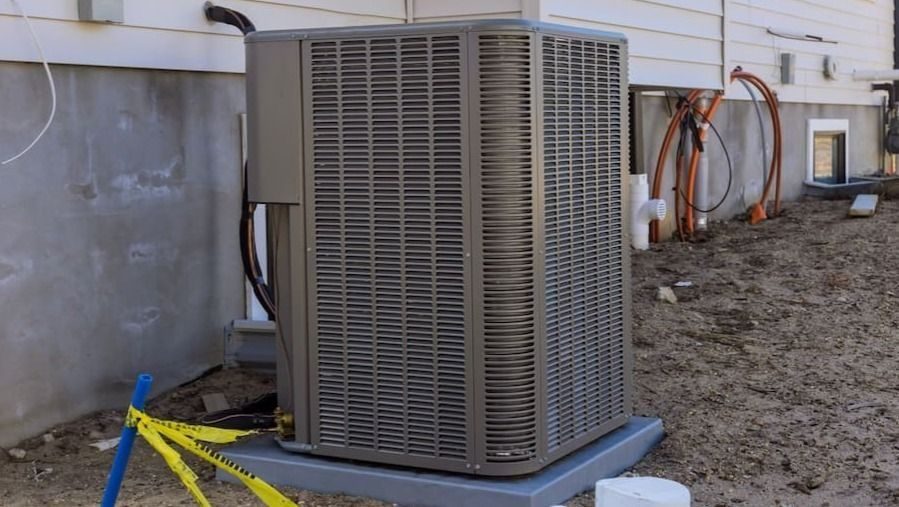
Begin by inspecting the outdoor condenser. Remove loose leaves, branches, yard decorations, and other debris that could block airflow or strike the equipment during high winds.
Check for:
-
Loose or missing access panels
-
Visible wiring damage
-
Deteriorated refrigerant-line insulation
-
An unstable equipment pad
-
Overgrown vegetation
-
Objects stored against the unit
-
Existing dents or storm damage
Do not open the condenser cabinet, disconnect wiring, or attempt to secure the unit with improvised straps. Equipment anchoring and electrical modifications should be handled by a qualified professional.
Inside the home, replace a dirty air filter and confirm that supply and return vents are open. Look around the air handler for standing water, corrosion, drain-pan stains, musty odors, or damaged insulation.
Check the condensate drainage area as well. A partially blocked drain may overflow when the air conditioner runs for long periods before or after the storm. Address recurring drainage problems before heavy rain begins.
Avoid wrapping the condenser in an airtight tarp or plastic covering. A loose covering may become windborne debris, while trapped moisture can contribute to corrosion. Follow the equipment manufacturer’s guidance when using any approved protective product.
Photograph the indoor and outdoor units, including visible model and serial numbers. These records may help document the equipment’s pre-storm condition.
Should You Turn Off the AC During a Hurricane?
Whether to shut off the air conditioner depends on storm conditions, local instructions, and the condition of the electrical supply.
Power fluctuations and wind-driven debris can damage HVAC equipment. If you are evacuating, follow your emergency plan and any instructions from local authorities or your utility provider.
Do not operate the system when:
-
Floodwater has reached the equipment
-
The outdoor unit has shifted or been struck
-
Wiring or electrical disconnects are damaged
-
You smell burning material
-
Breakers repeatedly trip
-
The system produces unusual noises
-
Water is leaking near electrical components
After a power outage, avoid rapidly switching the thermostat or breakers on and off. Some systems have a built-in restart delay.
An air conditioner that has been submerged or visibly damaged should remain off until it has been professionally inspected.
How Should You Prepare Your Electrical Panel and Circuits?
Inspect the area around the electrical panel without removing its cover. The panel should remain dry, accessible, and free from stored items.
Arrange an electrical inspection before the storm when you notice:
-
Rust or corrosion
-
Water stains
-
A damaged panel cover
-
Frequently tripping breakers
-
Buzzing or crackling
-
Burning or melting-plastic odors
-
Warm or discolored breakers
-
Unlabeled circuits
Labeling important breakers can make it easier to identify circuits for the air conditioner, water heater, refrigerator, well pump, sump pump, or other critical equipment.
Whole-home surge protection may help manage certain voltage spikes, but it cannot prevent every form of storm damage. Sensitive electronics may also benefit from appropriate point-of-use surge protectors.
Never touch an electrical panel while standing in water or when the equipment is wet. FEMA advises avoiding wet electrical equipment and turning off power only when it is safe to do so.
If the panel is near an area with a history of flooding, discuss possible protective measures with a licensed electrician well before hurricane season.
What Should You Check Before Using a Portable or Standby Generator?
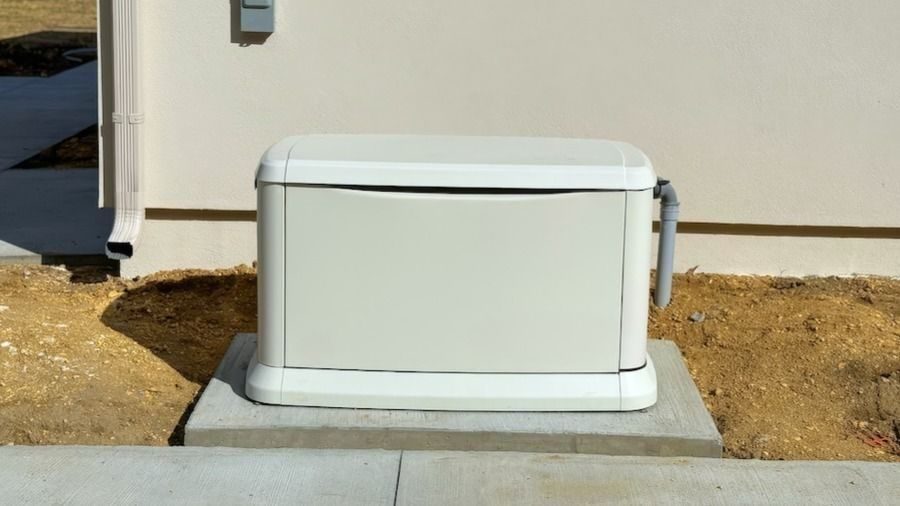
Have standby generators maintained before storm activity increases. Confirm that the unit starts properly, review its maintenance schedule, and make sure transfer equipment is operating as intended.
Portable generators require strict safety precautions. The Consumer Product Safety Commission identifies carbon monoxide poisoning, electric shock, fire, and burns as major generator hazards.
Before an outage:
-
Read the manufacturer’s instructions
-
Test carbon monoxide alarms
-
Store approved fuel safely
-
Check extension cords for damage
-
Confirm the generator’s rated capacity
-
Plan an outdoor operating location
-
Keep the unit available without blocking evacuation routes
Never operate a portable generator inside a house, garage, shed, crawl space, or other enclosed area. Keep it outdoors and away from doors, windows, and vents according to the manufacturer’s instructions.
Never connect a portable generator to a household outlet. This practice, often called backfeeding, can endanger residents, utility workers, and emergency personnel. Use professionally installed transfer equipment or another approved connection method.
Do not refuel a hot or running generator. Allow it to cool and follow all fuel-storage instructions.
How Can You Prepare Your Plumbing Before Heavy Rain or Flooding?
Inspect your plumbing before the storm and repair active leaks. A small supply-line, fixture, or water-heater leak can cause greater damage if the home is unattended during an evacuation.
Your plumbing checklist should include:
-
Locate the main water shutoff
-
Make sure the shutoff is accessible
-
Check exposed pipes and outdoor faucets
-
Inspect the water heater for leaks or corrosion
-
Clear accessible outdoor drains
-
Address recurring sewer backups
-
Repair dripping fixtures
-
Avoid putting grease or wipes into drains
-
Check sump, sewage, or well equipment when present
-
Store a safe emergency water supply
If your home uses a septic system, avoid driving or parking over the tank and drain field. After flooding, reduce water use and have the system evaluated before attempting repairs or pumping in saturated conditions. EPA guidance warns that flooded septic components may be affected by mud, sediment, and high groundwater.
Contact a plumber before the storm if drains are already slow, toilets gurgle, sewage odors are present, or backups have occurred during previous heavy rain.
Should You Shut Off the Water Before Evacuating?
Shutting off the main water supply may reduce damage if a pipe, appliance hose, or plumbing connection fails while the home is vacant. However, the correct steps depend on your plumbing, water heater, fire-protection equipment, pool systems, irrigation, and other connected components.
Before hurricane season, ask a plumber to show you:
-
Where the main shutoff is located
-
How to operate it
-
Which direction closes the valve
-
Whether the water heater needs additional steps
-
Which systems should remain supplied
-
How to restore water safely after returning
Do not wait for an emergency to test a corroded or stuck valve. Forcing a damaged shutoff can create a leak.
Follow instructions from local authorities and utility providers, especially when public water contamination or pressure problems are possible.
What Should You Do in the Final Hours Before the Storm?
As the storm approaches, focus only on tasks that can be completed safely.
Complete this final check:
-
Bring loose outdoor objects inside
-
Close windows and exterior doors
-
Confirm that equipment areas are clear
-
Charge phones and backup batteries
-
Unplug nonessential sensitive electronics when appropriate
-
Review generator instructions
-
Check carbon monoxide alarms
-
Store emergency water
-
Photograph equipment and visible property conditions
-
Move valuables away from potential water entry
-
Monitor official alerts
-
Evacuate immediately when instructed
Do not perform roof work, tree trimming, equipment anchoring, electrical repairs, or other hazardous projects as conditions deteriorate.
What Should You Inspect Before Turning Systems Back On?
Return only when authorities say it is safe. Watch for downed power lines, structural damage, floodwater, sewage, gas odors, and unstable trees before approaching the property.
Before restarting your AC, electrical equipment, or plumbing, check for:
-
Standing water near the panel or air handler
-
A shifted outdoor condenser
-
Damaged wires or disconnects
-
Broken refrigerant lines
-
Burning odors or buzzing
-
Wet outlets or appliances
-
Water-heater leaks
-
Broken pipes
-
Sewage odors or backups
-
Septic flooding
-
Repeated breaker trips
Do not energize wet electrical equipment. Avoid contact with floodwater, which may contain sewage, chemicals, sharp debris, and other hazards.
Have damaged HVAC, electrical, plumbing, generator, or water-heating equipment professionally inspected before using it. A system may appear dry on the outside while retaining moisture or sustaining internal damage.
Prepare Your Florida Home Before the Next Storm Arrives
Hurricane preparation should begin well before the weather changes. Inspect your air conditioner, electrical panel, generator, plumbing, drains, water heater, and shutoff valves while there is still time to complete repairs safely.
During and after the storm, follow official instructions and keep wet or damaged equipment turned off. Never enter floodwater to reach an electrical panel, run a portable generator indoors, or restart equipment that has been submerged.
Lickety Split A/C, Plumbing & Electric helps Florida homeowners inspect, maintain, and repair the major systems that keep their properties comfortable and functional. For help preparing your HVAC, electrical, or plumbing equipment before hurricane season, contact us today to schedule service.
Recent News
Renting Near Stetson University? A Landlord’s Guide to AC and Plumbing Maintenance Between Tenants
Why Mastic-Sealed Ductwork & Precision Installation Matter for Your AC
Your Toilet May Not Be the Problem: What a Sewer Camera Could Find Under Your St. Augustine Home
The Hidden HVAC Problem Costing You Comfort & Higher Energy Bills
Jacksonville Homeowner Red Flags: 7 Plumbing Problems You Shouldn’t Ignore
Is Dirty Ductwork Affecting Your Indoor Air Quality in Jacksonville?
PEX vs. Copper Piping: Which Is Better For Your Jacksonville Home?

Home Services You Can Trust
When solving problems in your home, you want the people you trust most to be on the job.