

Back to Blog
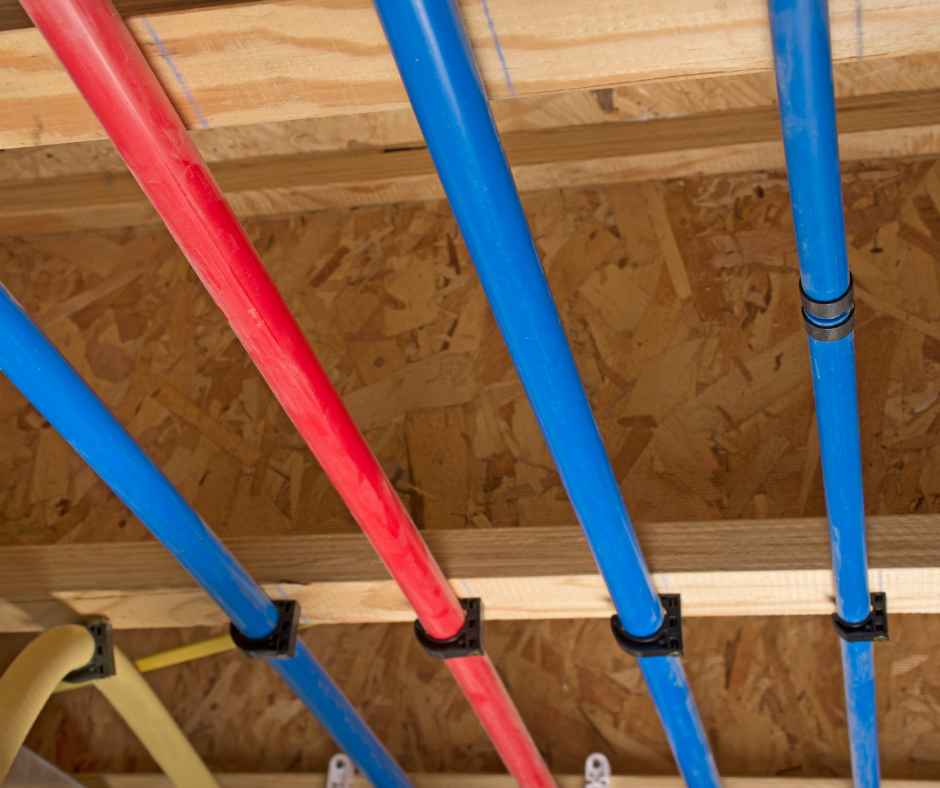
PEX vs. Copper Piping: Which Is Better For Your Jacksonville Home?
For many Jacksonville homes, PEX is the better choice when flexibility, faster installation, and resistance to scaling or corrosion are the biggest priorities. Copper can still be the better fit when long-term durability, rigid pipe runs, and proven performance matter most, but the right answer usually depends on the home’s plumbing layout, water conditions, budget, and the extent of the repipe or repair. Jacksonville’s water comes from the Floridan aquifer and is disinfected with chlorine, so both local water chemistry and proper installation matter when choosing a piping material.
Choosing between PEX and copper is one of the most common plumbing decisions homeowners face during a repipe, remodel, or major repair. And in a Jacksonville home, the answer is not always as simple as picking the newer material or the more familiar one.
Both options can work well. The difference is what you want the piping system to do best. Some homeowners want a more flexible, cost-conscious option that is easier to run through walls and around obstacles. Others want a more traditional material with a long track record and a rigid feel.
In this guide, you will learn the biggest differences between PEX and copper piping, where each one performs best, and which option usually makes more sense for a Jacksonville home.
What Is The Difference Between PEX And Copper Piping?
PEX is a flexible plastic water-supply pipe used in residential plumbing systems. Properly rated PEX is designed for potable hot- and cold-water distribution systems, including chlorinated water applications within published limits.
Copper is a rigid metal piping material that has been used in U.S. plumbing systems for decades and has a long residential track record. Copper systems can perform very well, but their reliability still depends heavily on proper design and installation.
The biggest practical difference is this:
- PEX is flexible and easier to route
- Copper is rigid and more traditional in feel and installation
Why Does This Decision Matter In Jacksonville?
Jacksonville homeowners are not just choosing a pipe material in the abstract. They are choosing what makes the most sense for local plumbing conditions, repair needs, and installation costs.
JEA’s water comes from the Floridan aquifer, includes naturally occurring minerals, and is chlorinated as it moves through the system. That means water chemistry, chlorine exposure, and long-term pipe performance all matter when comparing materials.
In practical terms, the best piping choice often comes down to which material is the better fit for:
- the age of the home
- the complexity of the repipe
- the homeowner’s budget
- the condition of the existing plumbing
- how important flexibility, durability, and future repair access are
What Makes PEX A Better Choice In Some Homes?
PEX is often the stronger option when ease of installation and flexibility are big advantages.
Because it bends and routes more easily than rigid piping, PEX usually requires fewer fittings and can be easier to install through existing walls, ceilings, and tight framing spaces. Industry technical guides describe PEX as highly flexible and note that it reduces the number of required fittings compared with rigid systems.
That often makes PEX appealing when:
- The home needs a full repipe
- Access is limited
- Labor cost matters
- The plumbing route is complex
- The goal is to minimize wall opening and disruption
PEX is also widely used because it is designed for potable water systems and is rated for chlorinated water applications when used within its listed standards.
@licketysplitfl 🌟 Why is PEX better than copper? 🌟 Here’s our install lead, Devin Hays, explaining it! PEX is a polyethylene product that expands, making it incredibly flexible and adaptable for various plumbing needs. Say goodbye to rigid copper pipes and hello to the future of plumbing! 🚰✨ #Plumbing #PEXvsCopper #HomeImprovement #FlexiblePlumbing #DevinExplains ♬ original sound – Lickety-Split
What Makes Copper A Better Choice In Some Homes?
Copper is often the better choice when homeowners want a rigid, time-tested material with a long residential history.
Copper has been used for plumbing in the U.S. for more than 75 years, and it continues to be valued for its durability and its established track record.
Copper may be the stronger fit when:
- The home already has copper, and only limited repairs are needed
- The homeowner prefers a traditional piping material
- Exposed or rigid runs are part of the installation
- Long-term material familiarity matters more than installation speed
That said, copper performance still depends on proper installation. High water velocity, poor reaming, and other installation-related issues can contribute to erosion-corrosion problems in copper systems.
Is PEX More Resistant To Corrosion Problems?
In many situations, yes. PEX is commonly chosen because it is not a metal pipe, so it does not corrode the way metal piping can. Manufacturer and industry technical materials describe PEX as resistant to many chemical-dissolving agents and suitable for chlorinated potable water applications, as per published ratings.
That can make PEX especially attractive when homeowners are concerned about:
- pipe scaling
- corrosion-related pinhole problems
- older metal piping failures
- long-term water quality effects on metal lines
Can Copper Still Be A Great Long-Term Option?
Copper can absolutely be a strong long-term solution when it is installed correctly and used in the right conditions. Its long residential track record is part of why many homeowners and plumbers still trust it.
The main caution is that copper is less forgiving when the design or installation is poor. High water velocity and certain installation errors can shorten its life or create localized failure points.
So copper is not a bad option. It is simply a material that depends more heavily on doing the job right from the start.
Which One Is Usually More Budget-Friendly?
In many homes, PEX is the more budget-friendly option overall.
Its flexibility often means faster installation and fewer fittings, reducing labor time and complexity. That is one reason PEX is so commonly chosen for whole-home repipes and remodel work.
Copper often carries a higher material cost and can also take more labor to install because it is rigid and requires more connections and more precise routing.
For homeowners, that usually means:
- PEX often wins on total installed cost
- Copper often costs more, but may appeal for other reasons
Which Material Is Better For A Whole-Home Repipe?
For many Jacksonville repipes, PEX is often the more practical choice.
That is especially true when:
- The home has a lot of wall and ceiling routing
- The repipe needs to move quickly
- Cost control matters
- The goal is to reduce disruption
Because PEX is flexible and requires fewer fittings, it often simplifies larger projects.
Copper can still make sense for a full repipe, but homeowners usually choose it when they specifically want copper rather than because it is the easiest or least disruptive path.
Which Material Makes More Sense For Smaller Repairs?
For smaller repairs, the answer depends on what is already in the home.
If the home already has copper and the repair is isolated, keeping the repair in copper may make the most sense. If the home is being partially updated or future repiping is likely, PEX may be a more practical option, depending on the plumbing plan.
The best question to ask is which material makes the most sense for:
- the size of the repair
- the existing plumbing system
- future plans for the home
- access and labor cost
Does Chlorine Exposure Matter For PEX?
Yes, but properly rated PEX is specifically evaluated for use with chlorinated potable water.
Technical guidance for PEX explains chlorine resistance ratings and confirms that compliant PEX products are intended for potable hot- and cold-water systems within published operating limits.
For Jacksonville homeowners, that matters because JEA disinfects its water with chlorine.
So the practical takeaway is not that chlorine rules out PEX. It is that the product and installation need to be appropriate for the application.
What Usually Matters Most In The Decision?
When homeowners are choosing between PEX and copper, these are usually the factors that matter most:
- Budget
- How much piping is being replaced
- How difficult the pipe routing is
- Whether corrosion resistance is a top priority
- Whether the homeowner wants a traditional rigid material
- How much wall and ceiling access is involved
- Whether the project is a repair, a remodel, or a full repipe
How Most Jacksonville Homeowners Should Think About It
When deciding between PEX and copper, the smartest way to look at it is this:
- Choose PEX when flexibility, lower installed cost, and easier routing matter most
- Choose copper when you want a rigid, traditional material with a long residential track record
- Do not choose based on material alone; choose based on the layout, condition, and goals of the plumbing project
Choose The Pipe That Fits The Home, Not Just The Trend
There is no one-size-fits-all winner between PEX and copper. For many Jacksonville homes, PEX is the better fit because it is flexible, practical, and often more cost-effective for larger projects. For other homes, copper still makes sense because of its track record, rigidity, and the homeowner’s preference for a more traditional system.
Lickety Split A/C, Plumbing & Electric can help you compare both options based on your home’s layout, your plumbing goals, and the scope of the repair or repipe before you commit to the wrong material. Contact us today to get started.
Recent News
Renting Near Stetson University? A Landlord’s Guide to AC and Plumbing Maintenance Between Tenants
Hurricane Season Checklist: Protecting Your AC, Electrical Panel, and Plumbing Before the Storm
Why Mastic-Sealed Ductwork & Precision Installation Matter for Your AC

Your Toilet May Not Be the Problem: What a Sewer Camera Could Find Under Your St. Augustine Home

The Hidden HVAC Problem Costing You Comfort & Higher Energy Bills
Jacksonville Homeowner Red Flags: 7 Plumbing Problems You Shouldn’t Ignore
Is Dirty Ductwork Affecting Your Indoor Air Quality in Jacksonville?

Home Services You Can Trust
When solving problems in your home, you want the people you trust most to be on the job.