
Back to Blog
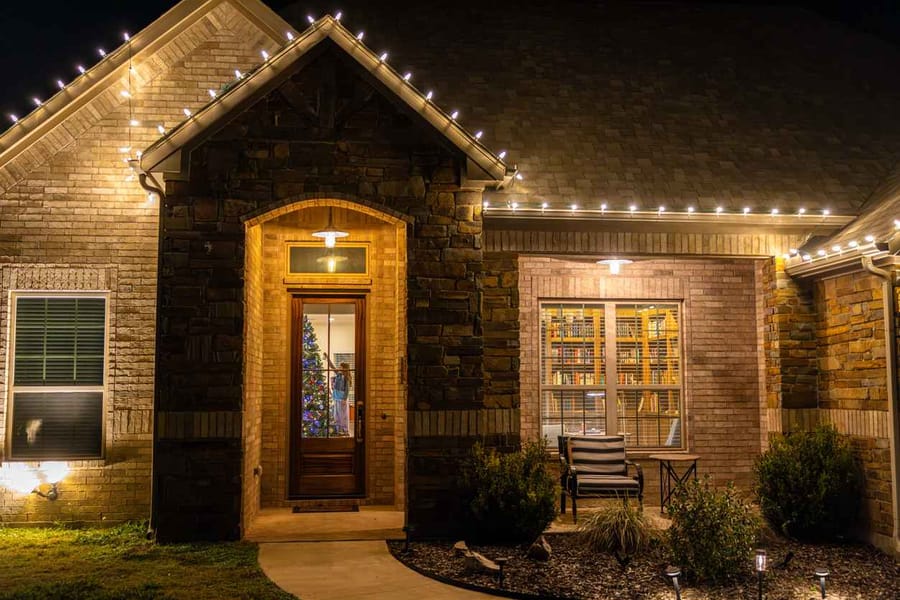
Lighting the Night Safely: Outdoor & Holiday Lighting Tips for Florida Winters
Florida winters may be mild, but they are also some of the most festive months of the year. Many homeowners take advantage of the cooler weather to decorate their homes with outdoor lights, holiday displays, and landscape lighting that brings warmth and cheer to long winter evenings. While these lighting projects create beautiful curb appeal, they also require careful planning to ensure safety, efficiency, and durability in Florida’s uniquely humid and storm-prone climate.
Moisture, salt air, pests, and sudden rainstorms can put strain on outdoor electrical systems, increasing the risk of shorts, corrosion, or unexpected failures. Even holiday decorations that seem simple can become hazardous if cords, outlets, or fixtures are not designed for outdoor use.
In this blog, we will walk through the best practices for choosing outdoor lighting, installing holiday decorations safely, protecting equipment from Florida’s humidity, and preventing electrical hazards during winter storms. With the right preparation and smart techniques, you can enjoy a beautifully lit home while keeping your family and property safe throughout the season.
Choosing the Right Outdoor Lighting for Florida Homes
Florida’s climate brings unique challenges, even in the winter months. High humidity, salt air near the coast, sudden rain showers, and year-round pests can all affect the performance and longevity of your outdoor lighting. Selecting the right materials from the start helps keep your lighting attractive, safe, and energy efficient.
Choose Weather-Resistant Fixtures
Outdoor lighting must be able to handle moisture, temperature shifts, and exposure to the elements. Look for fixtures labeled for wet locations, not just damp areas. These products are specifically designed to withstand direct exposure to rain and humidity, making them ideal for Florida homes.
Use LED Bulbs for Efficiency and Longevity
LED bulbs are the best option for outdoor lighting in warm, humid climates. They generate less heat, last significantly longer than incandescent bulbs, and use far less energy. This makes them ideal for landscape lighting, holiday displays, and decorative accents.
Select UL-Rated Products for Outdoor Use
Always check that your lights, extension cords, and power supplies are UL-listed for outdoor use. UL ratings confirm that the product meets stringent safety standards for moisture exposure, heat, and electrical load. Using indoor-only lighting outside is one of the most common causes of electrical hazards during the holiday season.
Look for Corrosion-Resistant Materials
Fixtures made of stainless steel, marine-grade aluminum, or high-quality plastic resist the corrosion caused by Florida’s humidity and salt air. Avoid low-grade metals that can rust quickly in coastal or damp environments.
Consider Solar or Low-Voltage Options
Solar-powered stake lights and low-voltage landscape systems are both excellent choices in Florida. They reduce electrical load, limit risk, and offer reliable illumination even during winter evenings.
Holiday Lighting Safety Tips for Florida Winters
Holiday lights bring joy to Florida homes, but outdoor electrical decorations can also pose safety risks if they are not installed or maintained carefully. Florida’s damp winter climate, along with sudden storms and warm temperatures, means homeowners need to take extra precautions when hanging holiday lighting.
Inspect All Cords, Bulbs, and Plugs Before Installing
Before you begin, check every string of lights for:
-
Frayed or cracked wires
-
Loose or missing bulbs
-
Damaged plugs
-
Corrosion on metal components
Even one faulty section can create a shock hazard or cause the entire string to fail. Replace damaged lights instead of attempting repairs, especially for outdoor use.
Use GFCI Outlets for Outdoor Lighting
Outdoor lighting should always be powered through Ground Fault Circuit Interrupter (GFCI) outlets. These outlets shut off power instantly if moisture or an electrical imbalance is detected, reducing the risk of shock or fire.
If your home does not have outdoor GFCI outlets, a licensed electrician can install them quickly and safely.
Avoid Overloading Circuits and Unsafe Extension Cords
Holiday lights and yard displays can draw more power than expected, especially older incandescent strands. To avoid electrical overloads:
-
Use only outdoor-rated extension cords
-
Do not daisy-chain multiple cords
-
Spread lights across multiple circuits when possible
-
Follow the manufacturer’s limits for maximum string length
Circuit overloads can cause flickering, tripped breakers, or overheating.
Keep Lighting Away from Walkways and Landscaping Hazards
Ensure cords and decorations do not create tripping hazards. Avoid placing lights near:
-
Shrubs or mulch that can dry out and become flammable
-
Irrigation systems that may spray water onto electrical components
-
Areas where pests easily chew cords, such as around fences or dense plants
Clear, elevated placement keeps both your lighting and your family safe.
Secure Decorations Against Wind and Rain
Florida’s winter weather can include unexpected storms. Use clips, hooks, and outdoor-safe fasteners to secure lights firmly to eaves, gutters, or posts. This prevents lights from blowing loose, tangling, or creating dangerous drag on electrical connections.
Protecting Outdoor Lights from Moisture and Humidity
Florida’s winter weather may be mild, but the humidity and frequent moisture can take a toll on outdoor lighting systems. Water is one of the most common causes of electrical issues, corrosion, and short circuits in exterior fixtures. Taking the right precautions helps ensure that your lighting remains safe and continues operating throughout the season.
Waterproof All Connection Points
Even if your lights and extension cords are rated for outdoor use, the points where they connect are often the most vulnerable to moisture. Protect them by using:
-
Weatherproof cord covers
-
Sealable protective boxes
-
Electrical tape rated for outdoor applications
Keeping moisture out of these connections reduces the risk of sparks or shorts.
Keep Lights and Cords Away from Standing Water
Avoid placing lights in areas where rainwater collects, such as low spots, near downspouts, or close to sprinkler heads. Standing water increases the risk of shock and can cause early corrosion of metal components.
Use Outdoor-Rated Timers and Smart Plugs
Many homeowners use timers or smart plugs to automate holiday lighting. Make sure these devices are specifically rated for outdoor use. Indoor-rated smart plugs or timers can fail when exposed to humidity or dew.
Elevate Extension Cords When Possible
Extension cords should never sit directly on the ground in damp areas. Use hooks, stakes, or cord organizers to keep them slightly elevated. This prevents moisture wicking and reduces the risk of deterioration.
Choose Fixtures Designed for Humid Climates
Florida humidity can shorten the lifespan of low-quality lighting. Choose fixtures made from corrosion-resistant materials such as:
-
Marine-grade aluminum
-
Stainless steel
-
UV-stabilized plastics
These materials are better suited for coastal and humid areas where rust develops quickly.
Inspect Lights Regularly During the Season
Even with proper installation, Florida’s weather can change rapidly. Check lights periodically for:
-
Moisture buildup
-
Corrosion
-
Loose connections
-
Damaged insulation
Early detection prevents minor issues from becoming dangerous.
Preventing Electrical Hazards During Stormy Weather
Even in winter, Florida is known for sudden storms, high winds, and heavy rainfall that can create hazards for outdoor and holiday lighting. Taking a few simple precautions helps protect your home, prevent electrical accidents, and extend the life of your lighting setup.
Unplug Outdoor Lights Before Severe Weather Arrives
If a strong storm is in the forecast, unplug your outdoor lights as a precaution. Lightning, heavy rain, and wind can damage lighting systems or create unexpected surges in power. Disconnecting lights prevents unnecessary strain on your circuits and reduces the risk of shock or electrical shorts.
Secure Decorations and Lighting Fixtures
High winds can loosen holiday displays, causing them to twist, sway, or detach. Use sturdy outdoor-safe clips, fasteners, and anchors to keep lights and decorations firmly in place. This prevents cords from pulling loose, breaking, or creating tripping hazards.
Avoid Running Lights During Heavy Rain
Although outdoor-rated lighting is designed for wet conditions, running the lights during heavy rainfall increases the chance of water intrusion. When rain is prolonged or severe, turn off the lights until conditions improve.
Use Outdoor-Rated Timers or Smart Controls
Outdoor-rated timers and smart plugs allow you to automate lighting safely. These devices are built to withstand moisture and help prevent lights from running during unsafe weather. They also help you conserve energy by ensuring lights turn off at appropriate times.
Check for Damage After a Storm
Once the weather clears, inspect your lighting for signs of:
-
Damaged wires
-
Loose connections
-
Burn marks around plugs
-
Moisture inside bulbs or fixtures
Addressing issues right away helps maintain a safe and reliable lighting setup throughout the season.
Energy-Saving Tips for Winter Lighting
Outdoor and holiday lighting can add beauty and warmth to your home, but it should not lead to high energy bills. By choosing efficient products and using smart lighting strategies, Florida homeowners can enjoy festive displays while keeping electricity costs manageable.
Choose LED Lights for Maximum Efficiency
LED lights use significantly less energy than traditional incandescent bulbs and produce less heat. They last longer, hold up better in Florida’s humidity, and offer vibrant colors for holiday displays. Switching to LEDs can lower energy use while improving lighting quality.
Use Timers to Control Lighting Schedules
Timers ensure your outdoor and holiday lights turn on and off automatically. This prevents lights from running all night and helps lower energy consumption. Set timers to operate your lighting only during the hours you want them visible.
Try Smart Plugs for Remote Control
Outdoor-rated smart plugs give you the ability to turn lights on or off from anywhere using a phone app. You can also set custom schedules or use sunrise and sunset features for hands-free efficiency. These controls are ideal for Florida weather, especially during unpredictable storms.
Limit the Use of High-Wattage Decorations
Inflatables, older rope lights, and incandescent holiday decorations use more energy and often generate more heat. Consider replacing them with modern LED alternatives that produce the same effect at a fraction of the energy cost.
Use Reflective Décor to Maximize Light
Shiny ornaments, reflective garland, and light-colored decorations help amplify your lighting without needing extra wattage. Strategically placed décor can make displays appear brighter while using fewer bulbs.
Install Low-Voltage or Solar Landscape Lighting
Low-voltage landscape lighting is safer, efficient, and ideal for Florida’s mild winters. Solar-powered lights are also effective thanks to long daylight hours and consistent sun exposure. Both options reduce energy use while improving nighttime visibility and curb appeal.
Keep Your Florida Home Bright and Safe All Season Long
Outdoor and holiday lighting should bring joy and beauty to your home, not electrical hazards or unexpected repairs. By choosing weather-resistant fixtures, installing lighting safely, protecting electrical connections from humidity, and preparing for Florida’s unpredictable storms, you can enjoy a festive and welcoming atmosphere throughout the winter months.
Energy-efficient options like LED lights, timers, and smart plugs make it easy to illuminate your property while keeping energy costs under control. And when you notice signs of electrical strain, damaged wiring, or circuits that cannot keep up with your lighting setup, professional support ensures your system remains safe and reliable.
For expert guidance, safe installations, and trusted electrical service, contact Lickety-Split. Our team is here to help Florida homeowners keep the season bright with lighting that is both beautiful and secure.
Recent News
Best AC Systems for High Humidity in St. Augustine
Why is My Water Heater Leaking from the Bottom in Jacksonville?
Winter Electrical Safety Checklist for Northeast Florida Homes
Florida Fall HVAC Tune-Up Guide: Get Your System Ready for Cool Nights & Humid Days
Why Emergency Plumbing Is So Expensive and 4 Ways to Avoid Needing It
How to Know if You Actually Need a Panel Upgrade
Understanding the Importance of Regular Drain Cleaning

Home Services You Can Trust
When solving problems in your home, you want the people you trust most to be on the job.